
Kitten Season Is Coming: How to Vet a Registered Breeder Before You Buy
Spring and early summer often bring a wave of litters, enquiries, waitlists and “ready now” ads. That rush can feel exciting, but it is also when poor breeding practices and scams become harder to spot.
A well-bred kitten is not just cute. It should come from a breeder who can prove who they are, show how the litter has been raised, explain the breed honestly and stand behind the kitten after it goes home.
If you are planning to welcome a new family member this kitten season, slow the process down. Good breeders will not mind careful respectful questions. In fact, most will welcome them.

Know what “registered breeder” really means
The words “registered breeder” can mean different things depending on who is using them.
A quality registered breeder should usually be registered with a recognized feline association, council or registry relevant to their breed and region. In Australia, this may include state-based feline bodies or national organisations. The exact body can vary by state and breed, so the key is to verify the breeder’s claim directly with the organisation they name.
Registration is not the same as:
Having a social media page
Listing kittens on a pet sales website that only allows
Owning a business name or ABN
Being “registered” with a local council only
Saying the parents are “purebred” without pedigree papers
Those things may exist alongside proper breeder registration, but they do not replace it.
A genuine registered breeder should be able to provide:
Their registered breeder name or prefix
The name of the organisation they are registered with
Their membership or registration details
Pedigree information for the parents
Clear paperwork for the kitten (at handover)
A written purchase agreement
If a breeder becomes defensive when asked for basic proof, take that as useful information. A responsible breeder understands that due diligence protects everyone, including the animals.
Check the breeder’s credentials before you fall in love
Photos can make a decision feel emotional very quickly. Try to check the breeder first, then choose the kitten.
Start with the breeder’s name, prefix and registration body. Search for the breeder through the official registry or contact the registry directly. Many associations can confirm whether a breeder is current, whether the prefix exists and whether the breeder is in good standing.
When checking credentials, look for consistency. The same breeder name, location, phone number and email should appear across reasonable places. Small differences can be innocent, especially if someone has moved or changed contact details, but major mismatches deserve caution.
Ask:
Which feline body are you registered with?
What is your breeder prefix?
Are the kitten’s parents registered?
Will the kitten come with pedigree papers?
Are there any restrictions on the papers?
What health testing is recommended for this breed?
Can you show proof of relevant health screening?
For some breeds, specific genetic or heart screening may be common. For others, routine vet checks and known family history may be the main focus. A good breeder will explain what applies to their breed without making vague claims.
Be careful with phrases such as “papers are extra” or “pet only, so no papers”. A pet-quality kitten from registered parents can still have registration paperwork, though it may be marked as not for breeding. The exact process differs between organisations, but lack of any paperwork should be explained clearly.
Look closely at reviews and reputation
Reviews are useful, but they are not enough on their own. A slick page can be new. A scammer can copy old images. A poor breeder can still have happy buyers who only judged the first week at home.
Look for a reputation that has built over time.
Useful signs include:
Reviews that mention long-term support
Owners sharing updates months or years later
Consistent comments about temperament and health
Clear communication before and after purchase
Participation in breed clubs, shows or education
A breeder who is known by other ethical breeders
Read reviews with a practical eye. A real review often mentions details, such as how questions were answered, how the kitten settled, what paperwork was provided or how the breeder helped after pickup.
Be cautious if every review sounds generic. Also be cautious if there are no reviews, no owner updates and no trace of the breeder outside one listing.
You can also ask the breeder for references from past buyers. Not every buyer will want to be contacted, and privacy should be respected, but many established breeders have owners who are happy to share their experience.

Confirm the location and avoid rushed handovers
Location matters. Not because a local breeder is always better, but because false locations are common in scams.
If a breeder says they are based in a particular town or region, the details should make sense. Someone advertising in Victoria, for example, should be able to speak naturally about pickup options, vet arrangements and local requirements. If they claim to be near Pakenham one day and interstate the next, ask more questions.
A responsible breeder may not allow casual visitors through every part of the home, especially with young litters. Biosecurity matters. Still, they should be willing to prove the kitten’s environment in reasonable ways.
Good options include:
A Facetime call showing the kitten in real time
Photos or video of the living area
Seeing the kitten with littermates and the mother where possible
AVOID breeders who will only meet in a car park, will only ship with no conversation or refuse any real-time proof. Transport can be legitimate, especially across Australia, but it should come with clear planning, proper welfare arrangements and full documentation.
A common scam pattern is urgency. The seller says the kitten must be paid for today, transport is already booked, another buyer is waiting or a discount applies only if payment is immediate. Quality breeders rarely pressure buyers like that. They are usually trying to find the right home, not the fastest transfer.
Ask how the kittens are raised
A kitten’s early weeks shape how it copes with a new home. Good breeding includes more than pairing two animals and waiting for a litter.
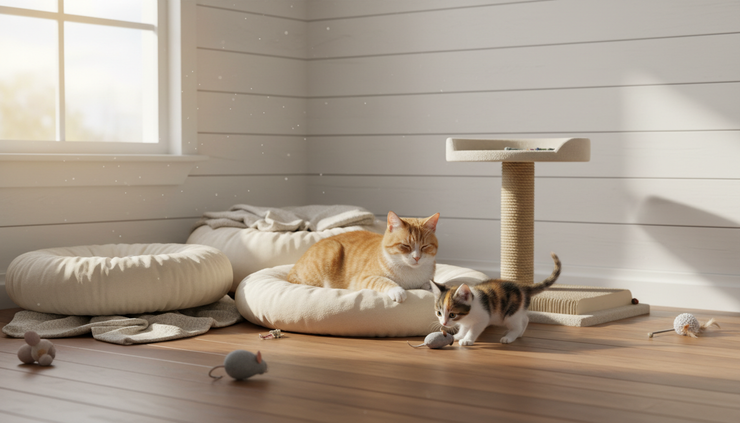
Ask where the litter is raised. Many ethical breeders raise kittens inside the home, where they hear normal household sounds and get gentle handling. They should be clean, bright-eyed, curious and used to people by the time they are ready to leave. You should avoid any breeders that use small breeding cages.
Ask about:
Age at leaving
Weaning
Litter training
Socialisation
Food routine
Vet checks
Vaccination schedule
Worming
Microchipping
Desexing expectations or contracts
What support is offered after pickup
In Australia, many breeders will not let a kitten leave until it is old enough to cope well away from its mother and littermates. The exact timing may vary by breeder, breed and registry rules, but very young kittens being advertised as “ready now” should raise concern. Expect it to be around 11-13 weeks old on average.
A quality breeder should also ask questions of you. They may ask about your home, children, other pets, indoor safety, previous experience and long-term plans. This is not nosiness. It is a sign they care where the kitten goes.
Understand what health promises can and cannot mean
No breeder can guarantee a living animal will never have a health issue. What they can do is breed carefully, test where appropriate, keep good records and respond responsibly if something goes wrong.
Be wary of absolute claims such as “100% healthy forever” or “never any problems in our lines”. Honest breeders speak more carefully. They know the strengths and risks of their breed, and they can explain what they do to reduce those risks.
Ask what vet care has already been done and what will be due next. You should receive records, not just verbal reassurance.
At minimum, expect clear information about:
Veterinary checks
Vaccination history
Worming history
Microchip details
Desexing , a tattoo and Vet desexing certificate
Diet and feeding instructions
Any known health issue, even a minor one
Any legal return policy where applicable
What happens if a serious health concern appears soon after purchase
Some breeders include a health guarantee in the contract. Read it closely. Look at what is covered, what is excluded, what timeframes apply and what proof is needed. If the wording is unclear, ask before paying a deposit.
Also check whether the breeder requires the kitten to be kept indoors or in a secure outdoor enclosure. Many pedigree breeders insist on this because it protects the animal from traffic, disease, fights and theft. For many pet homes, indoor living with enrichment is the safest choice.
Before you pay a deposit
A deposit should never be the first serious step in the process. By the time money changes hands, you should know who the breeder is, where they are, what organisation they are registered with and what you are buying.
Avoid paying large sums through methods that offer no protection, especially if you have not verified the breeder. Be cautious with requests for multiple small payments for surprise costs such as crates, insurance, permits or last-minute transport fees. Those can be scam signals.
A good breeder will answer your questions. They will not make you feel foolish for checking details.
Spot the red flags before they cost you
Poor breeders and scammers rely on emotion. They use adorable photos, sad stories and time pressure. The best defence is knowing when to pause.
Red flags include:
No proof of registration with a recognised feline body
Refusal to provide a breeder prefix or paperwork
Photos that appear on multiple unrelated pages
No video call or live proof of the kitten
Very young kittens advertised as ready to leave
No questions asked about the buyer’s home
Constantly available litters in many breeds
No clear vet records
Pickup only in public places with no explanation
Pressure to pay immediately
Prices far below the normal range for the breed
Claims that transport is arranged before you have agreed
Poor spelling or changing details in messages that suggest a copied scam script
One red flag may have an innocent explanation. Several together should stop the purchase.
By contrast, green flags are usually steady and boring in the best way. The breeder is consistent, calm, specific and transparent. They may have a waitlist. They may say no to a buyer who is not the right fit. They care about the kitten after the sale, not just before it.

Take your time this kitten season
The best breeders do not always have kittens available exactly when you start looking. That can be frustrating, but waiting for the right breeder is better than rushing into the wrong purchase.
A healthy, well-socialised kitten from a careful breeder is worth the patience. You should feel confident about the breeder’s registration, location, paperwork, health practices and reputation before you commit.
A final pre-purchase checklist can help:
Verify the breeder’s registration with the named organisation
Check that the breeder name, prefix and location are consistent
Read reviews and ask for references where appropriate
See live proof of the kitten and its environment
Ask about the parents, health testing and temperament
Review all paperwork before paying
Avoid pressure, secrecy and vague answers
Trust your instincts if something feels wrong
Kitten season brings many beautiful litters, but it also rewards patience. Choose the breeder with the same care you would choose the kitten. A responsible breeder will respect the questions, welcome the checks and want their animals going to homes that take the decision seriously.

Comments